Investing isn’t just about numbers anymore. Many investors also want to know how companies make their money and what kind of impact they have along the way. That’s where the ESG comes in.
ESG stands for Environmental, Social, and Governance. It’s a way of looking at companies beyond financial performance and understanding how responsibly they operate — for the planet, for people, and in the way they’re run.
The origins of ESG: from values to global standards
The idea behind ESG didn’t appear overnight. ESG grew out of socially responsible investing (SRI) in the 1960s and 70s, when investors avoided companies linked to tobacco, weapons, or environmental harm (Renneboog et al., 2008). Over time, ESG evolved beyond this simple “avoid bad companies” approach.
In the early 2000s, the United Nations’ Principles for Responsible Investment (PRI) helped formalize ESG, encouraging investors to consider environmental, social, and governance factors alongside financial performance. Today, ESG is a widely recognized framework for understanding how companies operate responsibly and create long-term value.
Environmental: caring for the planet
The environmental part of ESG focuses on how a company affects the environment. This includes things like energy use, emissions, waste management, and climate policies.
Companies that pay attention to environmental risks are often better prepared for future regulations, resource challenges, and climate-related changes. From an investor’s point of view, this can mean fewer long-term surprises and more resilient businesses.
Social: treating people fairly
The social aspect looks at how companies treat their employees, customers, suppliers, and the communities they operate in.
This can include workplace safety, fair pay, diversity and inclusion, customer trust, and community engagement. Strong social practices often lead to motivated teams, loyal customers, and a healthier company culture — all important for long-term success.
Governance: running the business well
Governance is about leadership, transparency, and accountability. It looks at how decisions are made, how risks are managed, and how shareholders are treated.
Good governance helps reduce the risk of regulatory issues, conflicts of interest, and poor management decisions. For investors, it’s a key signal that a company is being run responsibly and ethically.
ESG in action: what it means for businesses
ESG goes beyond ideals—it actively shapes how companies operate and create value. Strong ESG performance can improve access to capital, as investors see lower-risk companies as safer bets, and it strengthens risk management, helping businesses anticipate supply chain disruptions, regulatory penalties, or reputational issues—like the Volkswagen emissions scandal. It also influences customers and brand reputation, with consumers, especially younger generations, favoring ethical and sustainable companies.
ESG impacts talent, efficiency, and innovation too. Purpose-driven companies attract and retain motivated employees, reduce turnover, and boost productivity. Sustainability initiatives often cut costs through better energy use, waste reduction, and optimized processes, while also driving new ideas and products.
Real-world examples include Unilever’s sustainable sourcing, Patagonia’s eco-conscious production, Ørsted’s shift to offshore wind, Toyota’s hybrid cars, and IKEA’s use of sustainable materials.
ESG in numbers: what the data shows
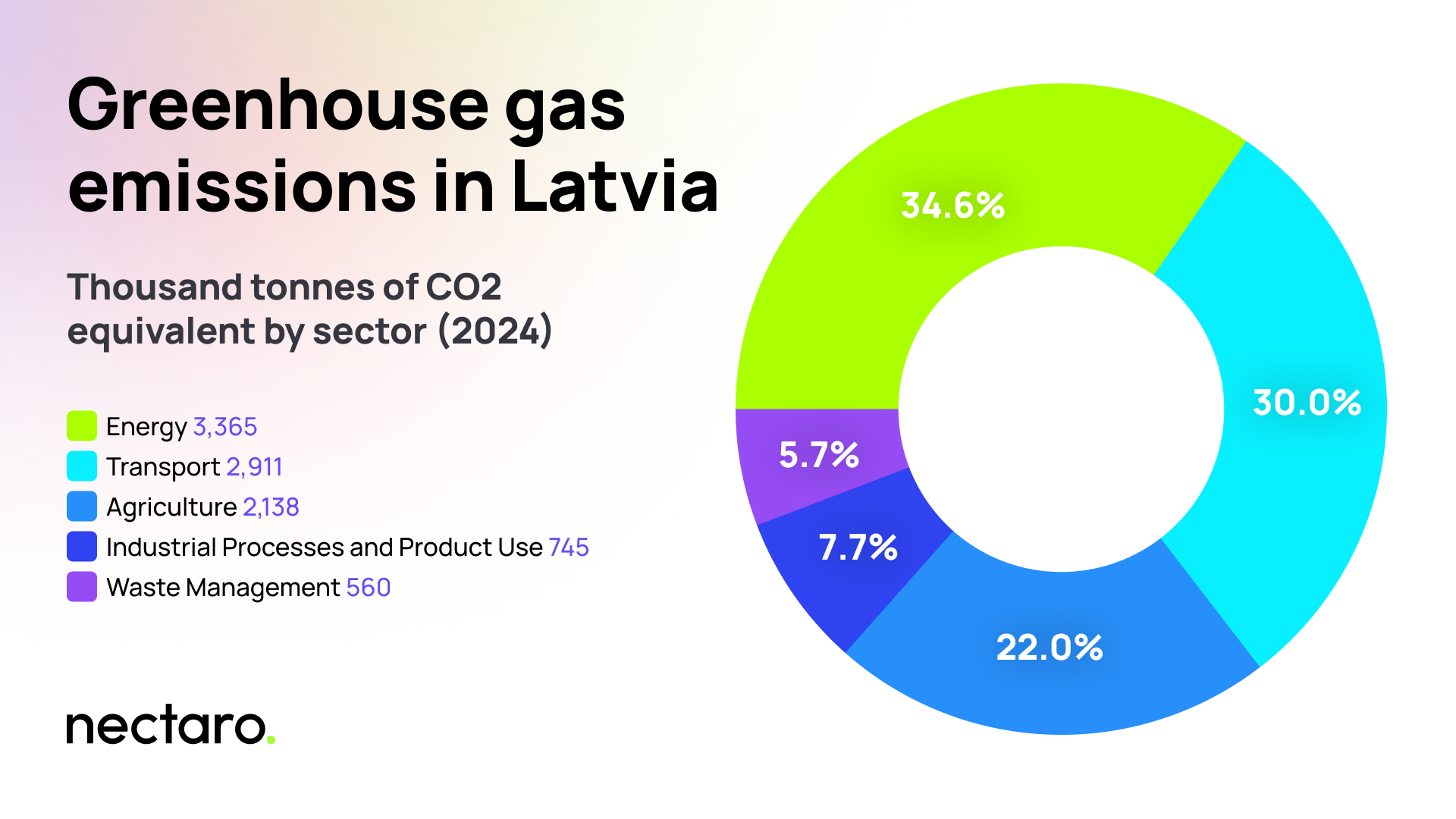
Source: National Statistical System of Latvia
ESG becomes easier to grasp when you look at real data. The greenhouse gas emissions chart shows where Latvia’s CO₂ emissions mainly come from, with energy and transport leading the way. This is why environmental factors matter in ESG: they highlight where future rules, costs, and risks are most likely to appear. Companies that rely heavily on high-emission activities may face more pressure over time, while those moving toward cleaner and more efficient solutions are often better prepared for the future.
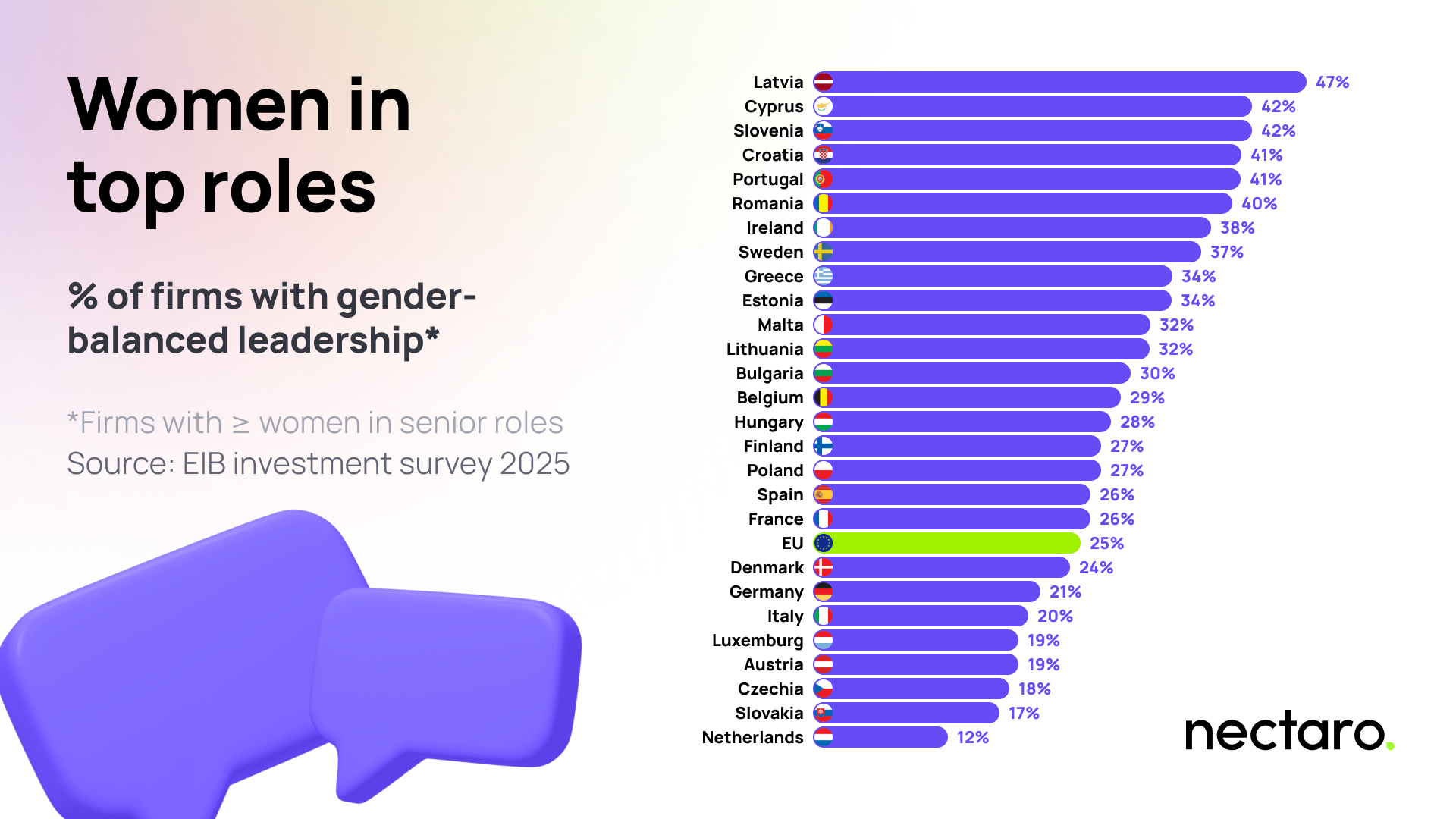
The social side of ESG comes into focus in the chart on women in top roles. Latvia stands out here, ranking first in the EU, with 47% of firms having gender-balanced leadership—well above the EU average.
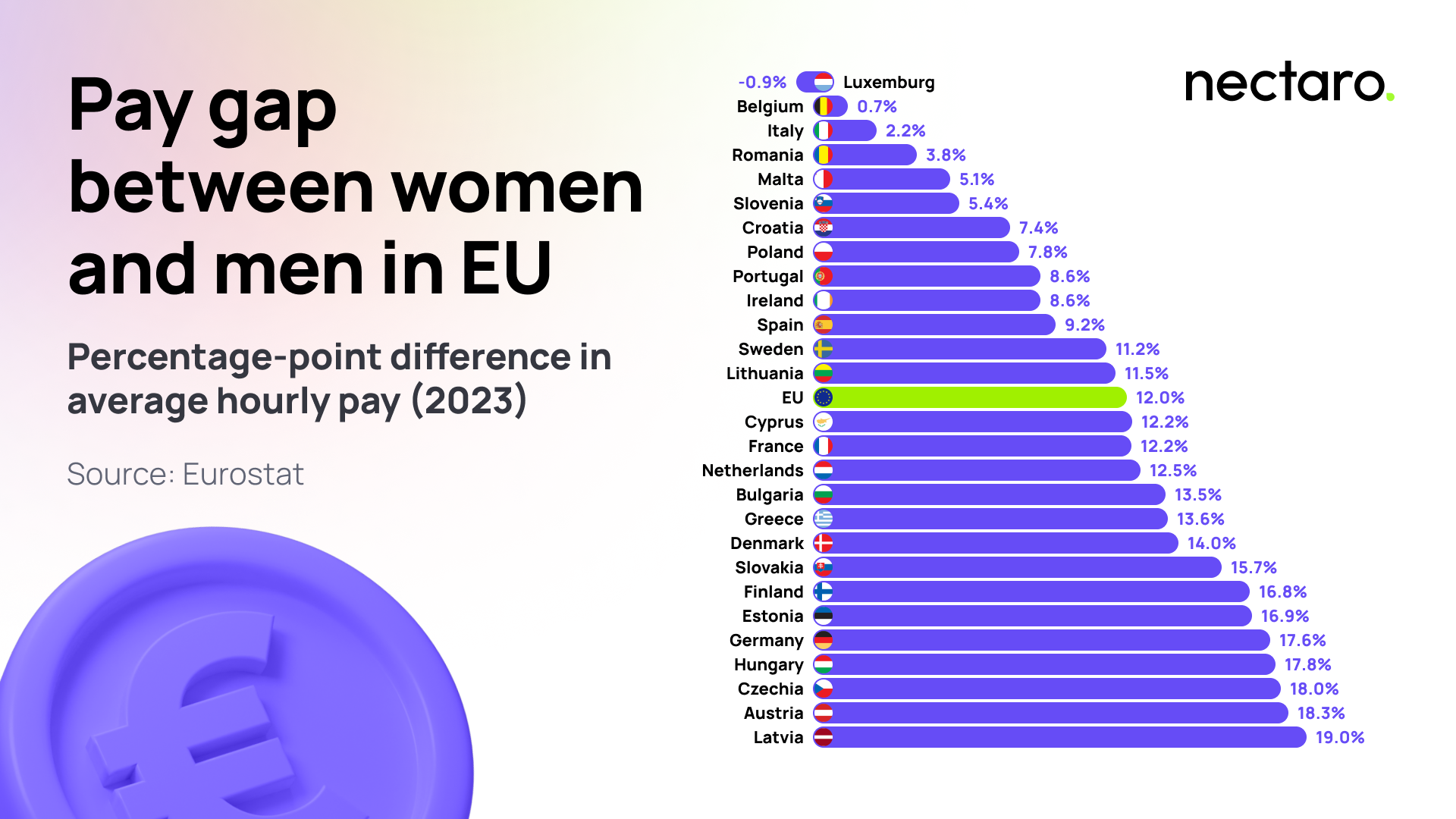
At the same time, the gender pay gap chart adds important context. Despite strong representation of women in senior positions, Latvia also records the largest pay gap in the EU, at 19%. This contrast shows why ESG analysis looks beyond single metrics. Progress in one area, such as leadership diversity, does not automatically translate into equality in others, like pay.
Together, these charts show why ESG looks at the full picture: environmental impact, social progress, and the gaps that still exist all matter when assessing long-term sustainability and risk.
How ESG investing works
Taken together, environmental, social, and governance insights don’t just explain how companies operate — they also shape how investors make decisions. This is where ESG moves from analysis into action.
ESG investing is sometimes referred to as sustainable, responsible, or socially responsible (SRI) investing. While the terminology varies, the core idea is the same: investors use ESG criteria alongside financial data to better understand long-term risks and opportunities.
In practice, ESG investing helps investors to:
Avoid companies involved in harmful or unethical activities
Identify businesses that are better positioned for long-term growth
Assess non-financial risks that can affect performance, resilience, and reputation
As ESG considerations become more mainstream, many brokers and investment platforms now offer ESG-focused funds and options. This makes it easier for investors to align their portfolios not only with financial goals, but also with broader values around sustainability and responsibility.
ESG at Nectaro
At Nectaro, we believe responsible finance and innovation go hand in hand.
As a technology-driven investment platform, we use ESG as a practical framework for how we operate, manage risk, and build trust — not as a box-ticking exercise.
What ESG means in practice at Nectaro
Environmental
We operate as a digital-first, largely paperless company and aim to keep our environmental footprint low through efficient systems and flexible work models.
Social
People are central to our business. We focus on equality and inclusion, employee well-being, professional development, and promoting financial literacy and inclusion across the Baltics.
Governance
Nectaro operates as a licensed investment brokerage under the supervision of Latvijas Banka. We follow strict EU and local regulations, maintain high ethical standards, and integrate ESG considerations into our overall risk management.
Sustainability considerations are part of our client suitability and risk assessment processes, and we continuously monitor the market for ESG-aligned opportunities.
The bottom line
ESG investing helps investors look beyond short-term results and focus on long-term value and responsibility.
At Nectaro, ESG isn’t a buzzword — it’s part of how we build a transparent, responsible, and forward-looking investment platform designed to support sustainable finance over the long run.